 Urgala
Vitamins & Minerals
Essential Nutritional Components
Understanding micronutrients crucial for bodily functions, particularly those supporting joint health and connective tissue.
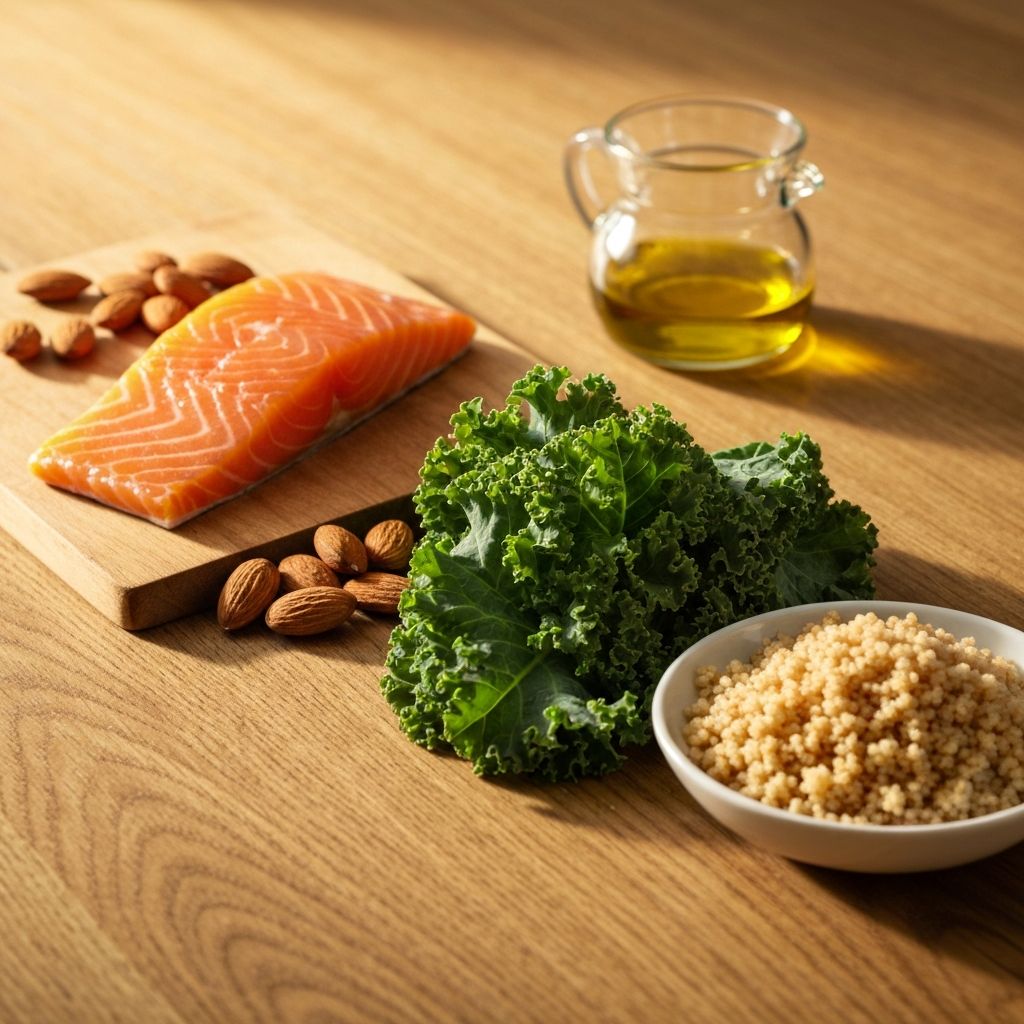
Vitamins: Organic Micronutrients
Vitamins are organic compounds essential for hundreds of biochemical reactions in the body. They cannot be produced by the human body and must be obtained through diet or supplementation.
Vitamins are classified as either fat-soluble (A, D, E, K) or water-soluble (B-complex, C). Each plays specific roles in metabolism, immunity, energy production, and tissue maintenance.
Key Vitamins for Joint Support
Vitamin C
Essential for collagen cross-linking and stabilization. Supports immune function and acts as an antioxidant. Found in citrus, berries, and leafy greens.
Vitamin D
Regulates calcium absorption and immune function. Supports bone health and is synthesized from sunlight exposure. Found in fatty fish and fortified foods.
B Vitamins
Support energy metabolism and nervous system function. Include B6, B12, and folate. Found in whole grains, meat, eggs, and legumes.
Minerals: Inorganic Elements
The Role of Minerals
Minerals are inorganic elements essential for bone structure, muscle function, nerve transmission, and enzyme activity. Major minerals needed in larger quantities include calcium, magnesium, and phosphorus.
Trace Minerals
Trace minerals needed in smaller quantities include zinc, copper, iron, and manganese. Each serves specific biochemical roles essential for health.
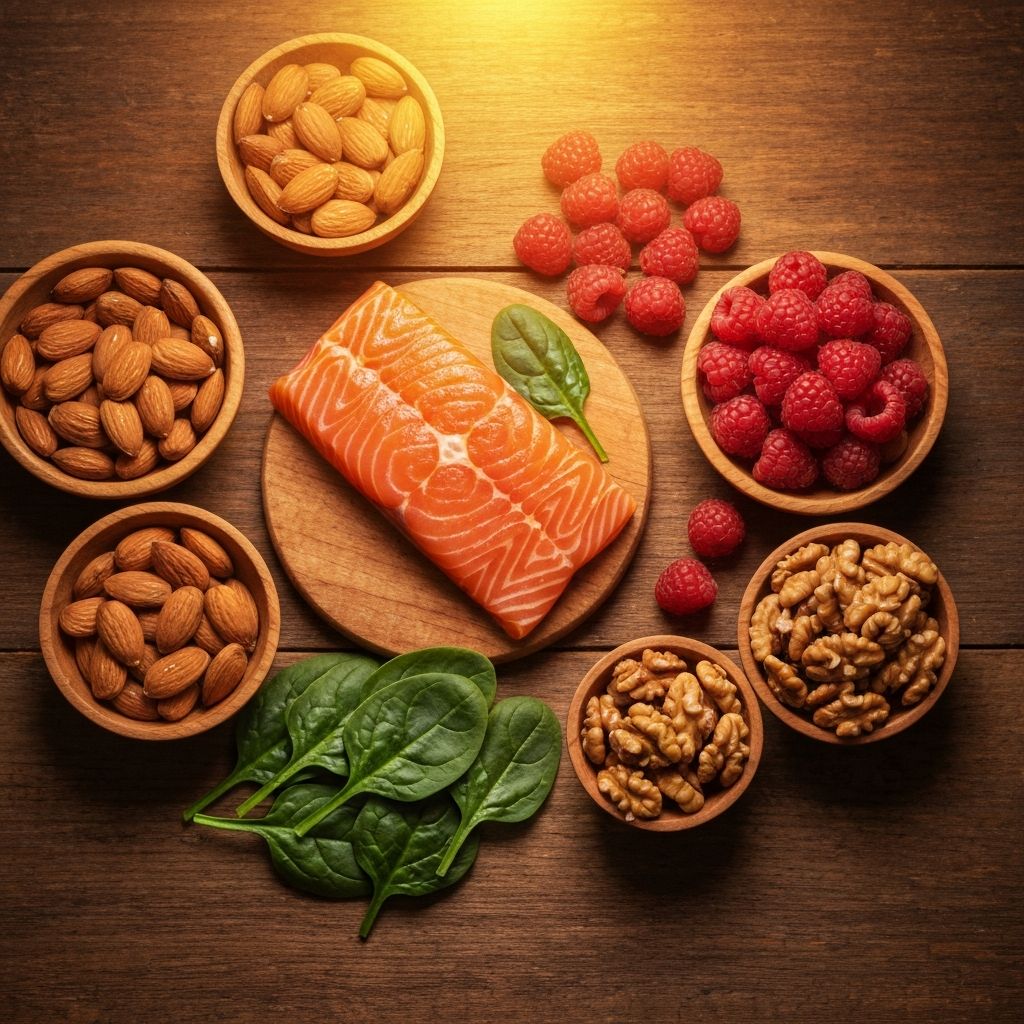
Critical Minerals for Joint Health
Calcium & Magnesium
Calcium is fundamental to bone structure. Magnesium supports muscle function and enzymatic processes. Both are essential for skeletal health.
Zinc & Copper
Both are cofactors for enzymes involved in collagen synthesis and cross-linking. Essential for tissue repair and connective tissue maintenance.
Manganese & Iron
Manganese supports enzymatic reactions in collagen formation. Iron is necessary for hydroxylation of collagen, a critical step in its stabilization.
Bioavailability & Absorption
The nutritional value of foods depends not only on their vitamin and mineral content but also on bioavailability—how well the body can absorb and utilize these nutrients.
Factors affecting absorption include food preparation methods, stomach acid levels, the presence of absorption enhancers or inhibitors, and individual digestive health. For example, vitamin C enhances iron absorption, while phytates can inhibit mineral absorption.
Dietary Sources vs. Supplementation
Foods provide vitamins and minerals in natural combinations with fiber, phytonutrients, and other beneficial compounds. Whole food sources typically provide a complex nutritional profile.
Supplementation may be appropriate for specific deficiencies or when dietary intake is inadequate. Individual needs vary based on age, activity level, health status, and dietary patterns.
Continue Reading
Educational Information
This article provides educational information about vitamins and minerals. It is not nutritional or medical advice. Individual nutritional needs vary significantly based on age, health status, dietary restrictions, and other factors. Consult a registered dietitian or healthcare provider for personalized nutritional guidance.
Not a medicinal product. Consult a doctor before use.