 Urgala
Antioxidants
Supporting Cellular Health Through Nutrition
Understanding antioxidants, oxidative stress, and the role of plant-derived compounds in supporting cellular defense systems.
What Are Antioxidants?
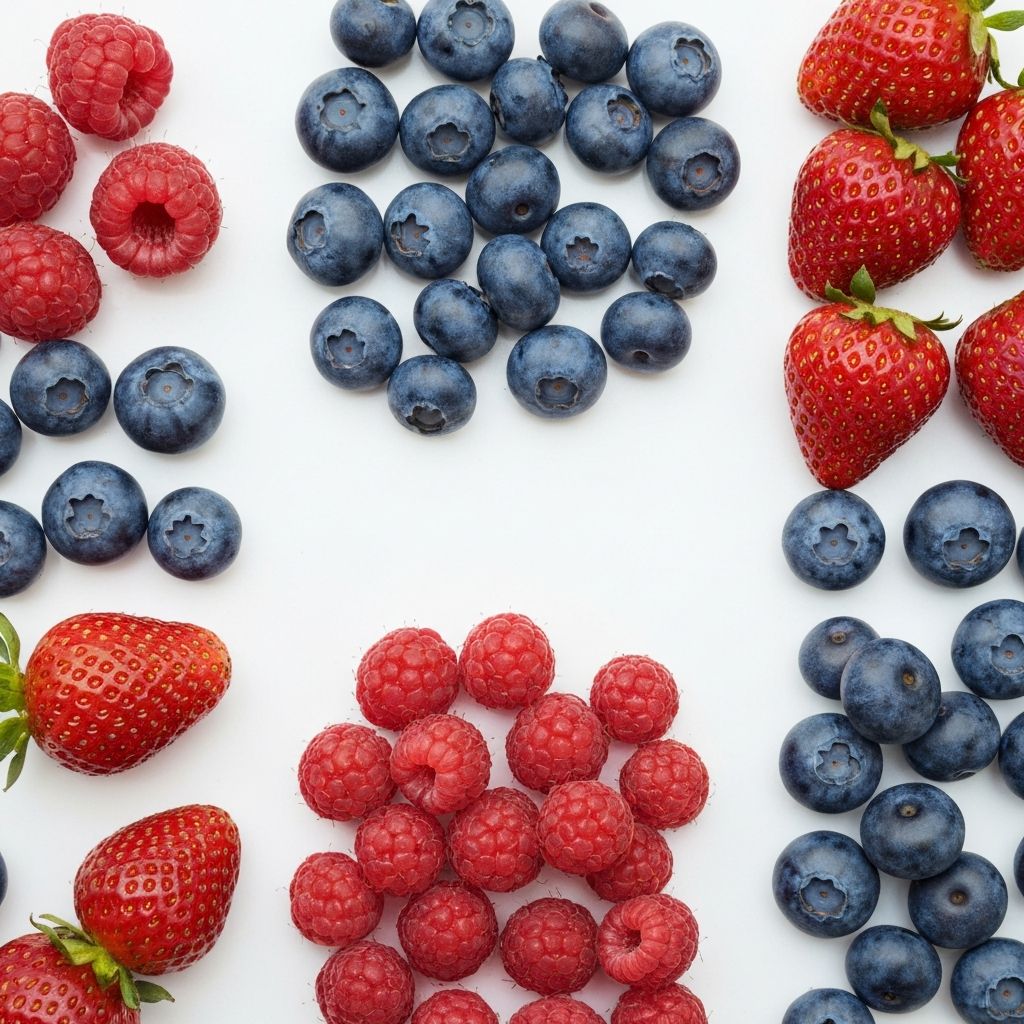
Antioxidants are molecules that can donate an electron to free radicals, stabilizing them and preventing them from damaging cells. Common antioxidants include vitamins, minerals, and phytonutrients derived from plants.
The human body produces some antioxidants naturally, including superoxide dismutase, catalase, and glutathione. Dietary sources provide additional antioxidant support.
Oxidative Stress & Free Radicals
Understanding Free Radicals
Free radicals are unstable molecules with unpaired electrons. They form naturally during metabolism and can be generated by environmental factors like UV radiation and pollution.
Oxidative Stress
Oxidative stress occurs when the production of free radicals exceeds the body's capacity to neutralize them. This imbalance can affect cellular structures, proteins, and DNA.
Cellular Damage Mechanisms
Free radicals can damage cell membranes, proteins, and genetic material. The body has multiple defense systems to mitigate this damage, with antioxidants playing a key protective role.
Common Dietary Antioxidants
Vitamin C
A water-soluble antioxidant found in citrus fruits, berries, and leafy greens. It supports immune function and collagen synthesis while neutralizing free radicals.
Vitamin E
A fat-soluble antioxidant found in nuts, seeds, and oils. It protects cell membranes from oxidative damage.
Polyphenols
Plant compounds including flavonoids, phenolic acids, and others. They are abundant in berries, tea, coffee, and various plant foods.
Phytonutrients & Plant-Derived Antioxidants
Plants produce a wide array of protective compounds called phytonutrients. These include anthocyanins, carotenoids, quercetin, and resveratrol, each with distinct biochemical properties.
Scientific research investigates how these plant compounds are absorbed, metabolized, and utilized by the body. Different phytonutrients are concentrated in specific foods, making dietary diversity important.
Color diversity in foods indicates different phytonutrient profiles: red/pink foods contain lycopene and anthocyanins, orange foods contain carotenoids, green foods contain chlorophyll and lutein.
Antioxidants & Inflammation
Oxidative stress and inflammation are interconnected processes. Antioxidants may help modulate inflammatory responses by reducing free radical production and supporting cellular signaling pathways.
This connection is particularly relevant to joint health, where oxidative stress and inflammatory processes are ongoing areas of scientific investigation.
Continue Reading
Educational Information
This article provides educational information about antioxidants and oxidative stress. It is not medical advice. While dietary antioxidants are important for health, individual needs vary based on age, health status, and lifestyle. Consult a healthcare provider regarding your specific nutritional needs.
Not a medicinal product. Consult a doctor before use.